PM (Polarization Maintaining) band-pass filter is the best choice for fiber amplifiers, fiber lasers, high-speed communication systems, and instrumentation applications. It provides high isolation, return loss, stability, power handling capability, and low insertion loss. This article will delve into the working principle, features and benefits, and applications of PM band-pass filters.
What is a PM Band Pass Filter?
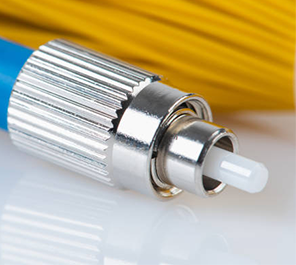
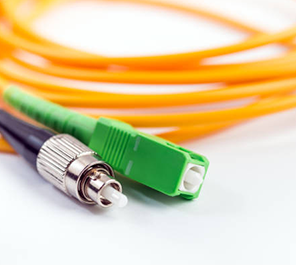
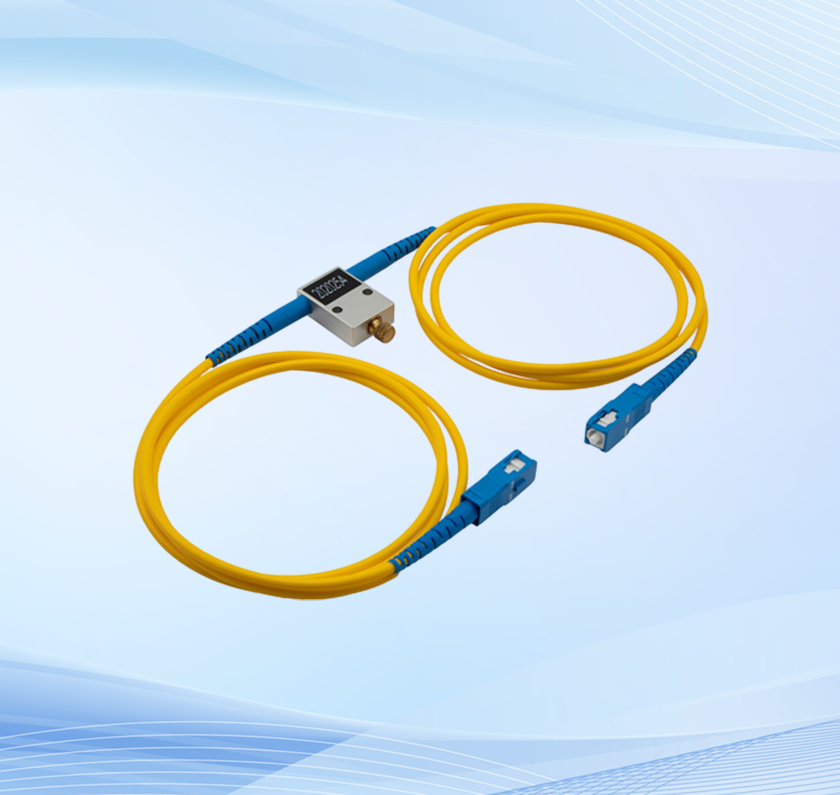
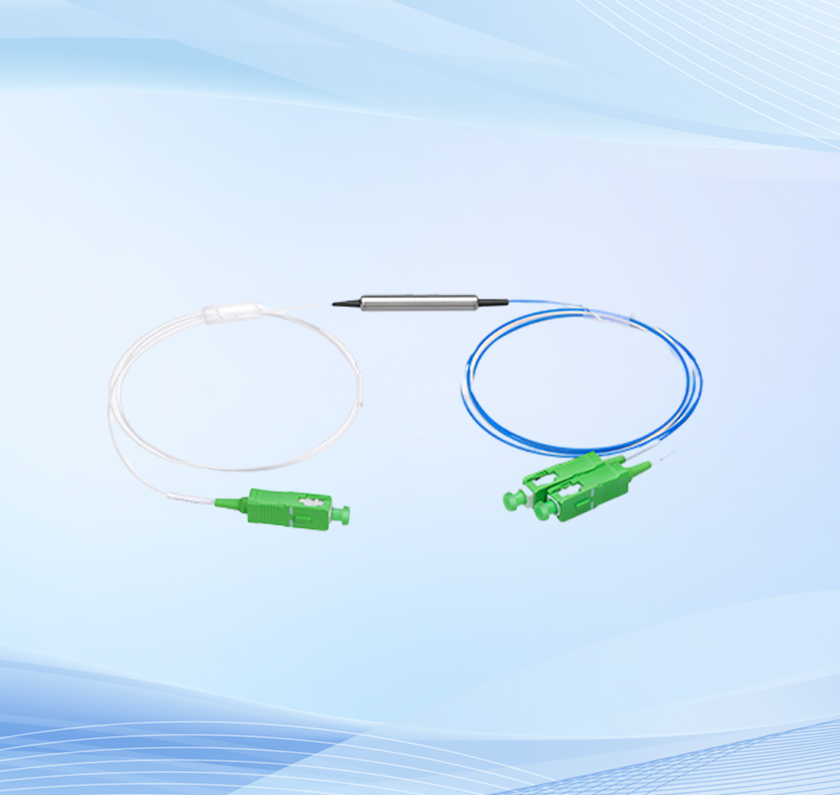
PM band-pass filter is a micro-optic device based on environmentally stable thin-film filter (TFF) technology. It blocks unwanted noise signals in fiber amplifiers, EDFA, DWDM, or fiber laser systems. In addition, it is built with Panda PM fiber that provides high-performance properties, including excellent birefringence and low attenuation, and is available without or with FC/APC, FC/UPC, SC/UPC, SC/APC, LC/UPC, or LC/APC connector types, and the connector key is aligned to the slow axis.
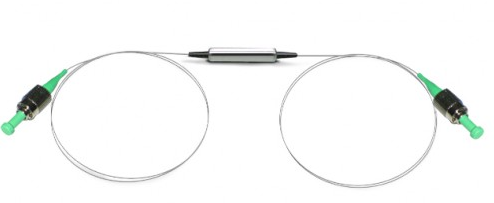
How Does a PM Band Pass Filter Work?
A PM band-pass filter transmits the specific range (or band) of the frequencies and blocks the signal of unwanted frequencies. This specific range can include visible light and non-visible wavelengths that fall at the infrared and ultraviolet ends of the spectrum. Since the filter passes only a certain band of frequencies, the result is an output that comprises only light signals with desired frequencies and wavelengths. They can be defined using several features:
(1) Blocking Level: How effectively the unwanted wavelengths are eliminated.
(2) Peak Transmission: How effectively the incident light is transmitted.
(3) Central Wavelength: The wavelength of the light at the center of the transmission band profile.
(4) Full Width at Half Maximum: The bandwidth limits between which 50 percent or more light is transmitted.
Features and Benefits
PM band-pass filter provides the following features and benefits:
1. Low insertion loss and cost
2. High isolation and precision
3. High extinction ratio and return loss
4. High reliability and stability
5. High-power handling capability and polarization maintenance
6. Epoxy-free optical path and compact size
7. Center wavelength available 1030/1040/1550/1064/1080nm
Applications
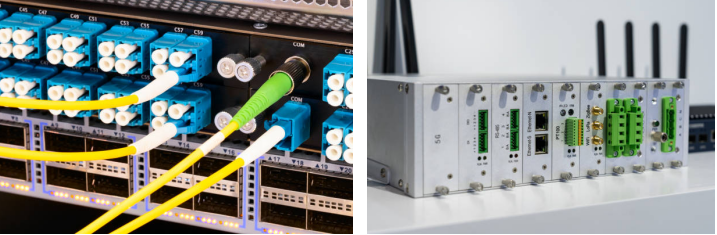
PM band-pass filter is used in fiber lasers, fiber optic sensing, fiber optic amplifiers, test and measurement, EDFA, DWDM, telecommunication networks, metro networks, CATV networks, etc.
Conclusion
PM band-pass filter employs TFF technology, and it features high isolation, return loss, power handling capability, stability and reliability, and low insertion loss, making it the ideal solution for fiber amplifiers, fiber lasers, and fiber optic sensing applications.
Sun Telecom specializes in providing one-stop total fiber optic solutions for all fiber optic application industries worldwide. Contact us if you have any needs.





 Position :
Home>
News & Tutorial
>Products
Position :
Home>
News & Tutorial
>Products









 ics@suntelecom.cn
  +86 18964888554
 Building No.145, Lane 666 Xianing Road, Jinshan Industrial Zone, Shanghai 201506, China




 +86 21 60138638


